Home>
News center>
Company dynamics
|
The Vigor Group's mid-year meeting for 2026, along with the thematic seminar titled "Efficient Execution: Achieving Our Mission," was successfully held.
2026-07-13
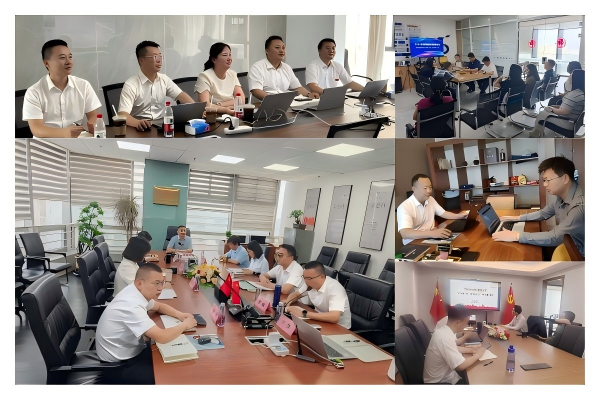
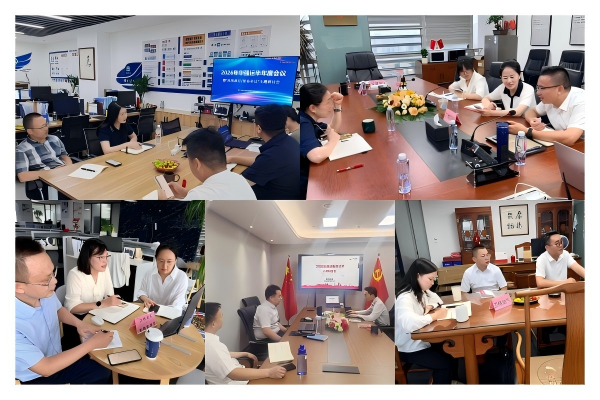
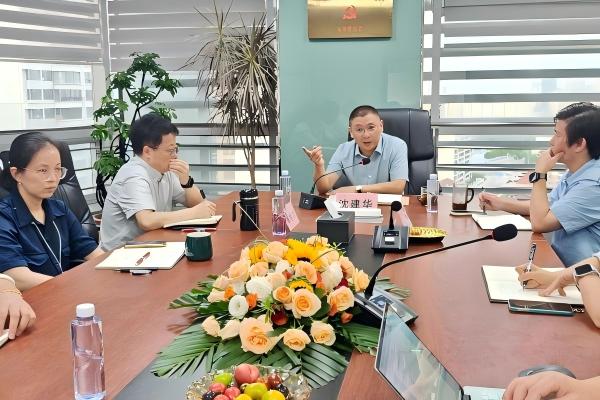
To comprehensively review the operational performance of the first half of the year, precisely define the key priorities for the second half, and further strengthen a goal-oriented mindset and commitment to efficient execution among all employees, Vigor Group successfully held its 2026 Mid-Year Conference and thematic seminar titled "Efficient Execution: Mission Success" on July 11. The event was hosted at the main venue in Nantong, with simultaneous online and offline sessions at subsidiaries in Kunshan, Changsha, Beijing, and overseas locations. Senior and mid-level management personnel along with core staff from various business units gathered to assess achievements and shortcomings, engage in collective learning, and strategize for future development.
Ⅰ.Reviewing the overall operational performance for the first half of the year and setting the development direction for the second half.
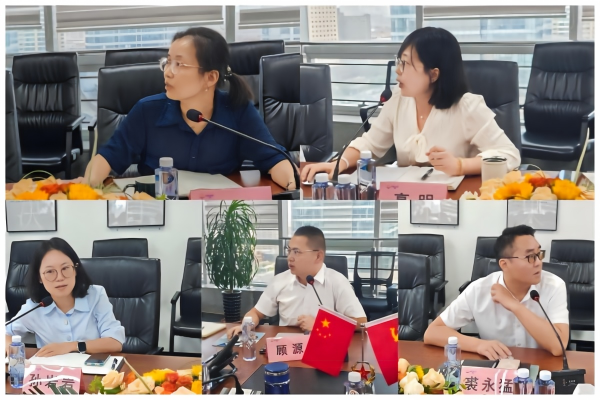
The semi-annual meeting was held that morning, focusing on reviewing the work accomplished during the first half and deploying strategic initiatives. Each business unit and functional department presented specialized reports in turn, comprehensively assessing the completion status of key tasks, conducting an in-depth analysis of shortcomings and existing issues identified during operations, and outlining core work plans along with corresponding implementation measures for the second half of the year. Ⅱ.Conduct a thematic seminar titled "Efficient Execution, Mission Success," to consolidate frontline practical management experience. The afternoon session focused on two key themes: proactive accountability and refined goal management. Through multiple rounds of experience sharing and in-depth group discussions, combined with analysis of real-world business cases from the first half of the year, participants reached consensus on implementation strategies, significantly enhancing the entire team's capability to achieve objectives effectively. I)A book-sharing session on "The 7 Habits of Highly Effective People," focusing on building a solid foundation of practical responsibility through "proactivity." Three managers—Zhang Jinlong, Group Financial Director; Liang Zhijun, Deputy General Manager of the Oil and Gas Division; and Wang Juan, Deputy General Manager of Huaqiangyun Supply Chain—shared their insights based on their frontline operational experiences, emphasizing the critical role of proactive engagement in achieving business breakthroughs through real-world project cases. Zhang Jinlong, drawing from the cross-regional equipment transfer coordination projects in Xinjiang and Chongqing, compared the outcomes of proactive advancement versus passive waiting, highlighting that early planning and proactive accountability are key to addressing complex cross-regional operations. Liang Zhijun cited real negative examples such as delayed project follow-ups and prolonged procurement pricing processes as lessons learned, advocating that tasks should not merely be completed but thoroughly accomplished, with a consistent focus on results, proactive communication, and empathy to resolve business conflicts. Wang Juan, outlining the entire process of supply chain capacity pricing negotiations, shared practical strategies for seizing market opportunities and optimizing collaboration costs, urging all employees to cultivate a sense of ownership to proactively overcome challenges while balancing partnership relationships with corporate performance.
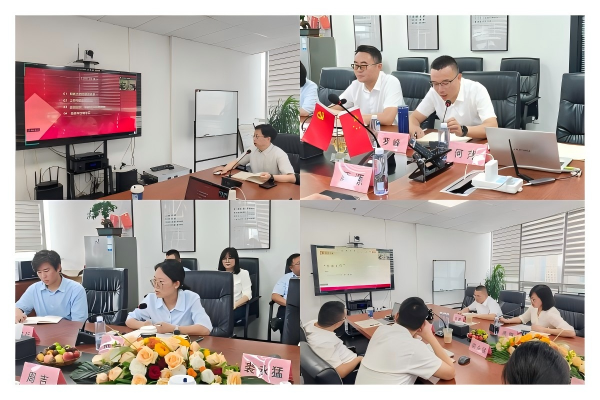
II)Exchange of insights on goal management, and summarization of practical methods for implementing goals throughout the entire process. Exchange of Insights on Target Management and Development of Practical Implementation Methods for the Full Process Key management professionals including Luo Feng, Sun Yanyan, Gao Ming, Qiu Yongmeng, Dai Yinyin, Li Qiang, Zhang Da, Liu Fanghui, and Zhu Yiliang successively shared their practical experiences in target management. Drawing on target management practices accumulated through frontline implementation across various departments and divisions during the first half of the year, participants focused on critical stages such as goal formulation, task decomposition, dynamic process monitoring, challenge resolution, and closed-loop review. They summarized effective management approaches from multiple dimensions—including business indicator setting, market expansion strategies, proactive plan development, full-cycle project control, and standardized system implementation—identifying a set of replicable and actionable measures to establish a solid foundation for advancing refined target management throughout the group's second half. Throughout the discussions, participants openly addressed existing shortcomings in target management, analyzed underlying causes, and clearly defined key improvement priorities along with concrete implementation strategies for the upcoming period. Ⅲ)The cross-functional business group discussions aimed to consolidate collaborative efforts and clarify pathways for achieving objectives.
This initiative broke down barriers between business units and functional departments, focusing on five core business areas—oil and gas, wind power, Huaqiangyun supply chain, emergency response, and international operations—and formed five hybrid discussion groups comprising representatives from the Board Office, Finance Department, Administration & Human Resources Department, and Marketing Management Department. Each group engaged in in-depth exchanges centered on key operational indicators for the second half of the year, identified critical bottlenecks in business advancement, thoroughly shared ideas and strategies, and reached consensus on coordinated development across sectors and departments. All groups finalized corresponding solutions, defined clear divisions of responsibilities, developed phased task roadmaps with reverse scheduling, and presented their discussion outcomes sequentially. Each team focused on key performance indicators including annual revenue growth, new market expansion, full collection of accounts receivable, achievement of annual profit targets, and overseas project implementation. They identified major challenges such as delayed bidding cycles, insufficient client confidence in domestic suppliers, cumbersome project settlement procedures, and complex cross-border business processes. Targeted solutions were developed, encompassing specialized market strategies, on-site payment follow-up measures, standardized business workflows, and coordinated resource integration. Critical milestones at each phase were detailed to form a comprehensive implementation plan, establishing clear pathways for achieving all operational objectives in the second half of the year. III. The Chairman's concluding speech and announcement of the Group's medium-to long-term development strategy. Group Chairman Shen Jianhua delivered an important speech, fully affirming the high-quality contributions made by all participants and the clear strategies developed across various divisions for implementing measures aligned with the second-half-year objectives. He officially unveiled the group's medium-to-long-term "three-step" development strategy: The first step involves consolidating foundations and advancing steadily to build a sustainable century-old enterprise that provides a stable development platform for all employees, while embracing the philosophy of efficient work and a fulfilling life; the second step focuses on enhancing internal capabilities and making long-term plans by establishing a professional talent pipeline and thoroughly completing pre-listing preparations to strengthen corporate development through standardized capital operations; the third step entails proactively fulfilling social responsibilities by transforming Vigor into a shared platform for collective development among employees, leveraging post-listing industrial scale and platform advantages to better contribute to the industry and society.
The chairman stated that the group plans to integrate its high-quality business segments, aiming to list on the New Third Board within three years and achieve listing on the main board or ChiNext within five years. The group will continue to focus on the diversified energy sector, leveraging industrial resource integration and a light-asset operational model to expand its business scale. He also urged all key management personnel to align with the company's development trajectory, identify their personal career paths and development plans, harness capital resources for sustainable corporate growth, fulfill social responsibilities with enhanced overall capabilities, and jointly chart a new course for Vigor's long-term development. Text | Group Administration Department Reviewed and Released by | Group Board Office |